
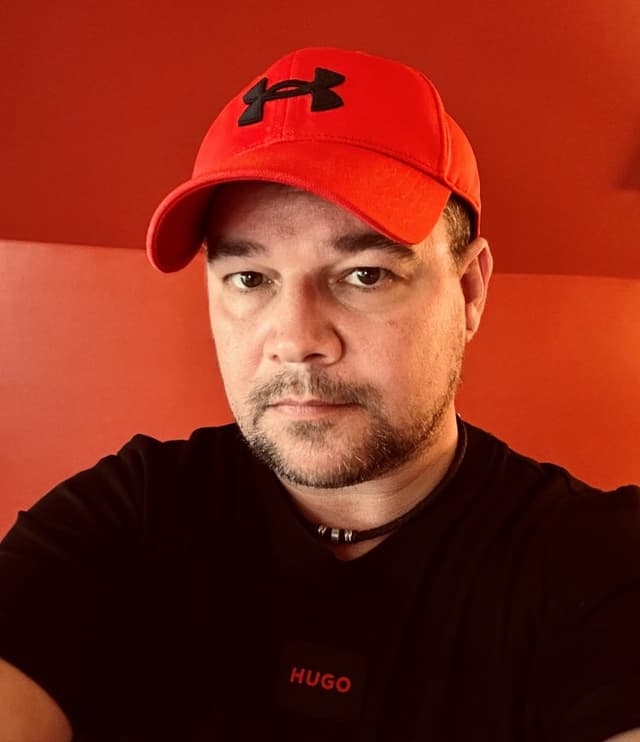
The founder story
Seven stores. Seven exits. One system I kept.
I’m Terry Ecom, a Google Ads operator. To me, stores are assets: I build them, run them to profit, and sell them at the top of their selling potential. Between 2025 and 2026 I did that seven times. The stores sold. The product-discovery system behind them is what I kept — and it became WHAT Shipping.
The bottleneck was never the ads
I’ve run paid traffic across Google, Meta and TikTok. Advertising skill was not what separated my profitable stores from my unprofitable ones — product selection was. And the research tools I could buy all worked the same way: browse successful stores, copy what they were already selling. By the time a product shows up in a spy tool, everyone using that tool is looking at the same product at the same time.
I learned Meta through coaching from Samuel Ecom and Google Ads through coaching from Jesper Hensgens. Their coaching shaped my development as an operator; WHAT Shipping and the results from my stores are my own.
That approach is especially useless for a Google operator. On Google you can’t ride someone else’s viral creative — you have to know what to sell before you can capture the demand for it.
So I wrote my own tool
I built a private system with one job: surface the strongest product opportunities directly, from observable evidence, instead of copying another store’s catalogue. It changed how I selected products — and better selection gave every advertising channel better raw material to work with.
Build, profit, exit — seven times
Between 2025 and 2026 I used that system across seven stores, in different markets and currencies. Each one was built around products the system surfaced, run to profitability, and sold to an independent buyer at the top of its selling potential. All seven sales went through GMC Marketplace — a store marketplace I also built and own, which is why I say the buyers were independent but the venue was mine.
One store went from unprofitable to a €10,000 revenue day after I switched product selection to the system and scaled through Meta. Not every store hit that ceiling — the point was never one lucky product. The point was starting every store from evidence instead of guesswork, then repeating it.
Founder archive
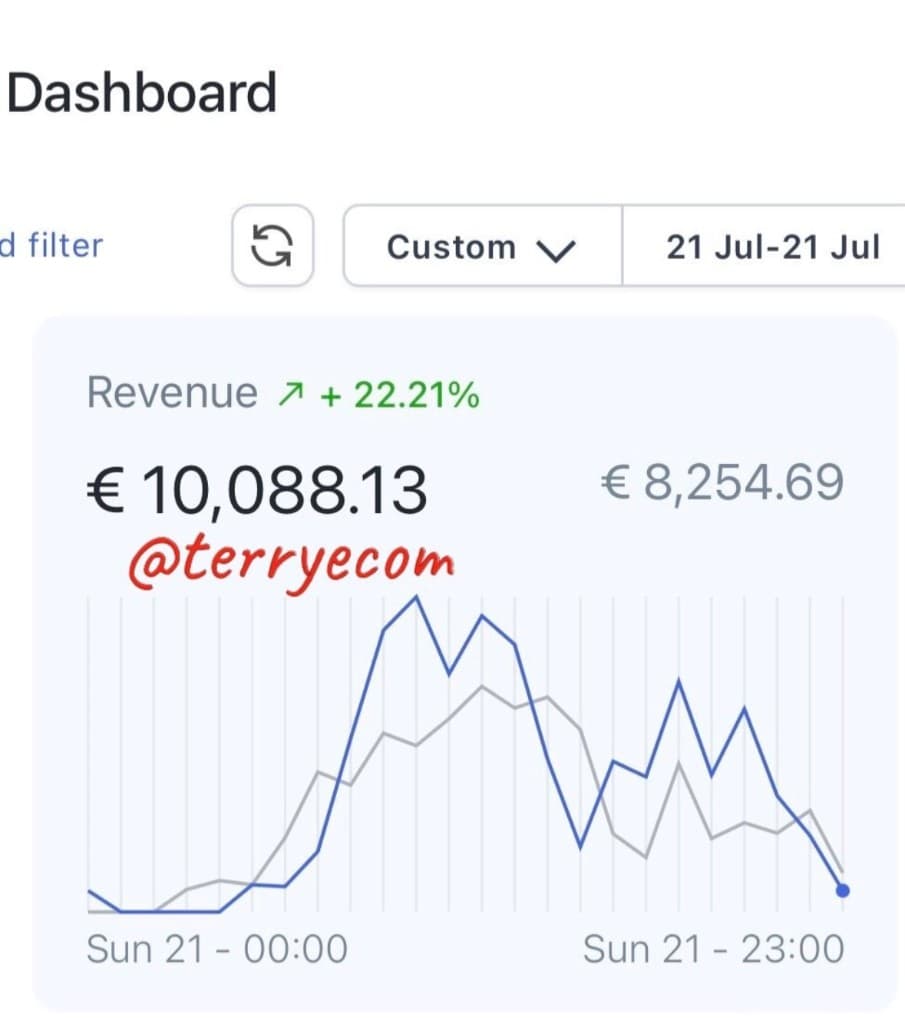
Founder archive
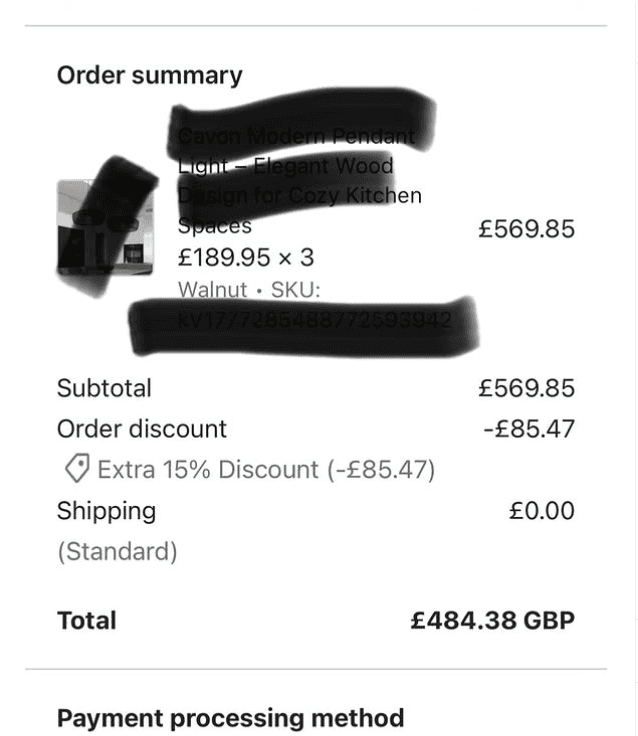
Built across the full store lifecycle
Product discovery was only one part of operating stores. I also wrote GMC Scout, which scans Shopify stores for compliance issues that may affect Google Merchant Center approval, and built GMC Marketplace, where my seven stores were sold to independent buyers.
WHAT Shipping supports product research. GMC Scout investigates storefront compliance. GMC Marketplace provides the exit venue. Together, they reflect how I operate across the lifecycle of an ecommerce asset.
Still operating, same method
I still build stores today. The store below is a current build — not sold — applying the same selection method from week one: pick from evidence, spend small, read the acquisition numbers before scaling.
Founder archive
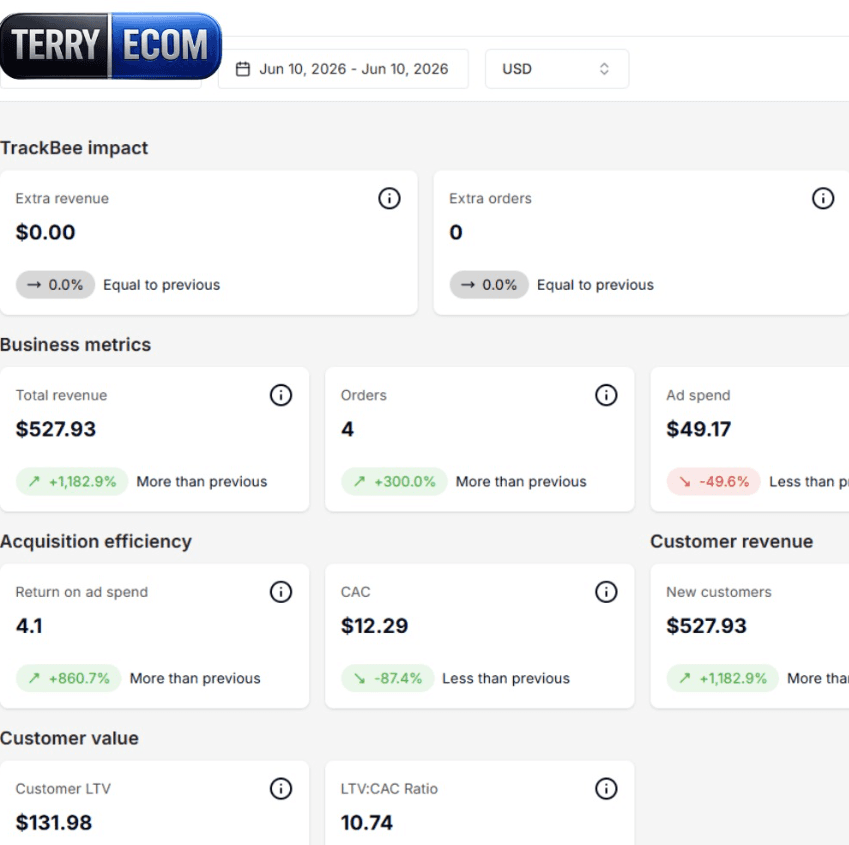
The system survived every store
Every store I sold took its products, its ad account and its revenue with it. The one asset that carried over each time was the discovery system. That system — rebuilt properly over 12 months — is what you are using when you open WHAT Shipping:
- Sonar — detects products starting to move: climbing store rankings, spreading across independent stores, or gaining active social ads.
- Radar — ranks products daily on corroborating evidence, with observed Google, Meta and TikTok advertising signals on every tile.
- Signal — lets you interrogate the evidence conversationally before you spend a pound on traffic.
Detect it. Rank it. Investigate it. Whichever channel you operate on — Google, Meta or TikTok — the product decision comes first.
Terry’s results are his own, from his own stores, and are not typical or guaranteed. The screenshots above are archived records of individual days and orders — revenue figures are not profit, and none of them are merchant-verified by a third party. WHAT Shipping provides estimated, signal-based research evidence, not outcomes. Read the signal methodology for exactly how estimates are formed.
The stores were the assets I sold. This is the asset I kept.
Ask one product-research question before signup, then get 100 one-time starter credits when you join. No card required.